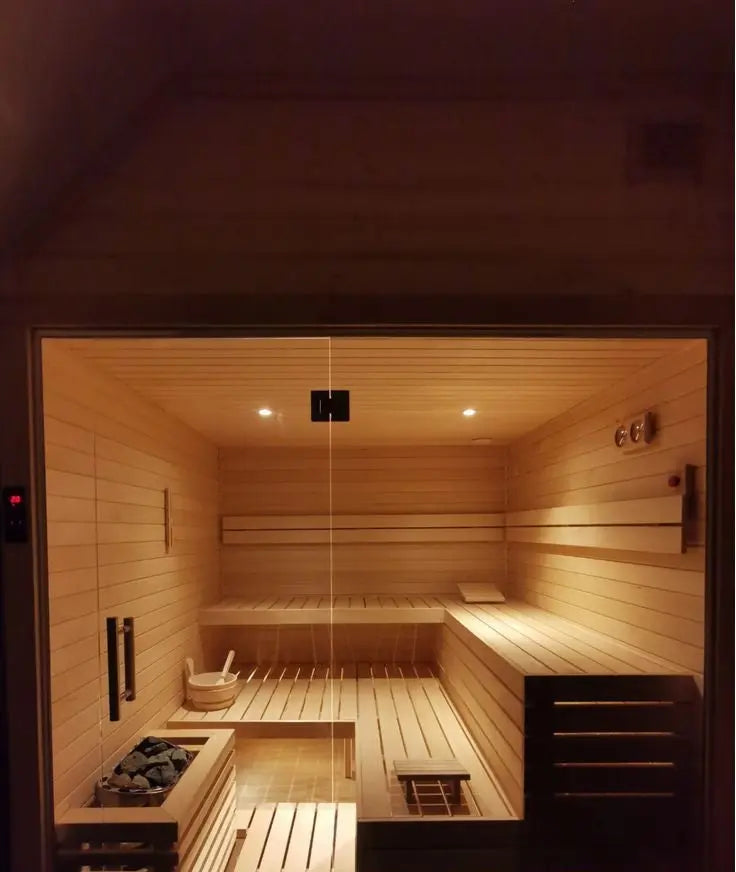
Shopping for a personal sauna usually starts with a simple question: do you want something that folds away, something that feels like a real spa room, or something that heats fast and fits your routine? The best options are not always the biggest or the most expensive. The smartest pick depends on space, comfort, setup, and the kind of heat experience you actually want to use week after week.

Best Personal Sauna Picks for Every Home
Quick comparison of the top personal sauna types
For most homes, the main decision comes down to portability, heat style, and how much room is available. Portable infrared tents are easy to store and suit solo users who want quick sessions. Dry heat and traditional wood saunas create a more classic experience and work better for buyers who want a permanent wellness feature. Steam sauna setups feel humid and intense, which some users love for a spa-style session. Couples and small households usually get more value from compact two-person models or indoor cabin units with a larger footprint.
| Sauna type | Best for | Main advantage | Main tradeoff |
|---|---|---|---|
| Portable infrared | Solo users, small spaces | Fast setup and easier storage | Less spacious and less traditional |
| Traditional indoor | Homeowners, couples | Authentic sauna feel | Higher cost and more space |
| Steam sauna | Humid-heat fans | Moist, spa-like sessions | More cleanup and moisture management |
| Outdoor sauna | Dedicated wellness spaces | Premium experience and capacity | Needs more room and installation planning |
Portable infrared models are the easiest starting point for apartment dwellers and busy individuals. Traditional indoor saunas are the strongest fit for homeowners who want long-term value. Outdoor units make sense when the goal is a dedicated retreat rather than a temporary wellness add-on.
Why these models stand out
These recommendations are based on the factors that matter most in real ownership: how quickly the sauna heats, how comfortable it feels to sit in, how simple it is to assemble, and whether the features actually improve sessions. A strong personal sauna should be easy to use without turning every session into a setup project.
Infrared options stand out for speed and convenience, especially when schedules are tight. Traditional cedar builds stand out for comfort, insulation, and the more immersive feel many buyers want. Steam units earn their place when moisture and heat intensity are the priority. The biggest tradeoff is always the same: the easiest models to live with are not usually the most spacious or the most premium. That makes matching the sauna to the buyer’s routine more important than chasing a flashy spec sheet.
What a Personal Sauna Is and How It Works
Define personal sauna use at home
A personal sauna is a home sauna built for one person, a couple, or a small household rather than a shared gym or spa setting. It may be a portable tent, a cabin-style indoor unit, or a permanent outdoor structure. At home, the experience is usually more private and more flexible, with sessions that fit around recovery, relaxation, or bedtime routines.
These formats appeal to convenience-focused buyers because they remove the need to travel or wait for a public sauna. The right setup delivers heat in a controlled space, then lets the user step out and continue the day without much friction.
Main heat styles to know
The three main heat styles are dry heat, steam, and infrared. Dry heat feels hot and crisp, with very little moisture in the air. Steam creates a wetter, heavier atmosphere that many people associate with a classic spa room. Infrared feels different: the panels warm the body more directly, often at lower ambient temperatures.
That difference matters. Dry and traditional heat can feel more intense in the room itself. Steam adds humidity. Infrared often feels easier to tolerate for longer sessions, which is why it is popular with first-time buyers and recovery-minded users.
How We Evaluated Personal Sauna Options
Testing criteria that matter most
The most useful personal sauna reviews focus on heat performance, comfort, and ease of use before anything else. A sauna can look impressive online and still disappoint if it takes too long to heat, feels cramped, or requires too many steps to get started. Setup time, installation complexity, maintenance needs, durability, and portability all matter because they shape the ownership experience after the first week.
Why real-world testing beats spec sheets
Hands-on use reveals the details product listings leave out. A sauna might advertise a high maximum temperature, but still feel awkward because the seating is narrow or the zipper entry is inconvenient. Real sessions show whether controls are intuitive, whether heat stays consistent, and whether the unit feels comfortable over time rather than just on day one.
That practical view is what helps separate a good personal sauna from one that only looks good on paper.
Best Personal Sauna Types by Buyer Needs
Best personal sauna for small spaces
When floor space is limited, compact infrared tents and foldable portable saunas are usually the smartest fit. They tuck into a corner, store more easily, and do not demand the kind of permanent footprint that a cabin sauna does. For renters, apartment owners, or anyone sharing a room with other equipment, portability is often worth more than extra features.
If the sauna needs to disappear between uses, a portable setup makes more sense than a fixed installation. Permanent units are better only when the room can truly spare the space.
Best personal sauna for fast heat
Infrared saunas tend to warm up the quickest, which matters for anyone trying to fit a session into a busy schedule. They are a strong match for early mornings, post-work decompression, or recovery sessions between training blocks. Traditional dry heat units can also heat efficiently, but they often need more time to build the full experience.
The tradeoff is session feel. Faster heat can mean a less enveloping atmosphere than a larger steam or wood sauna. For speed-first buyers, that is usually an acceptable exchange.
Best personal sauna for a spa-like feel
If the goal is relaxation and atmosphere, premium cabin-style saunas stand out. Cedar wood, soft LED lighting, Bluetooth speakers, and comfortable backrests create a much richer sensory experience than a basic tent. These models feel more like a designed wellness room than a piece of exercise equipment.
Buyers who care most about ambiance usually accept the higher price, bigger footprint, and more involved setup because the overall experience feels closer to a home spa ritual.
Personal Sauna Features Worth Paying For
Comfort and capacity details
Internal space matters more than the number on the product page. A one-person sauna that technically fits one adult may still feel tight if the bench is narrow or the ceiling is low. Two-person models are often best for couples who want to share the space without feeling wedged in side by side. Larger layouts can help with stretching and longer sessions, but only if the room truly supports them.
Capacity should be read as a comfort guide, not a promise.
Controls, timers, and convenience extras
Simple controls reduce frustration and improve safety, especially for new users. Timers are useful because they keep sessions predictable, while remote controls make it easier to adjust heat without interrupting the experience. Wi-Fi controls and app features can be helpful, but they are only worth paying for if they genuinely simplify routine use.
Bluetooth speakers and LED lighting add enjoyment, though they are more about mood than function. The best extras support the session; the rest are decoration.
Materials and build quality
Build quality affects both comfort and long-term value. Cedar wood construction is popular because it feels sturdy, insulates well, and gives off that classic sauna character. Lightweight portable units are easier to move and store, but they usually do not feel as substantial. Better insulation, tighter panel construction, and durable hardware all help the sauna hold heat more efficiently and last longer.
Personal Sauna Safety and Setup Considerations
Electrical and installation requirements
Some personal sauna models plug into a standard outlet, while others require dedicated electrical support or hardwiring. That difference is easy to overlook until installation day. Before buying, match the sauna’s power needs to the home’s electrical capacity and the room’s layout. If the unit is large, outdoor, or high-powered, professional installation is often the safer choice.
The goal is to avoid overloading circuits or forcing the sauna into a space that cannot support it.
Heat tolerance and session limits
Beginners should start with shorter sessions and work up gradually. Hydration, rest, and following manufacturer instructions matter more than pushing for longer time in the sauna. A cautious start helps the body adjust and makes the experience more comfortable.
The right routine is steady and manageable, not extreme.
Where personal saunas work best
Garages, basements, bedrooms, patios, and dedicated wellness rooms can all work, but each comes with different needs. Basements often offer privacy but may need ventilation management. Bedrooms are convenient for portable setups but can be tight on clearance. Patios and outdoor areas fit larger units well, though weather exposure and flooring need attention.
Moisture, airflow, and safe access should guide placement just as much as aesthetics.
How to Choose the Right Personal Sauna
Match the sauna to your goals
The easiest way to narrow the field is to decide whether relaxation, recovery, or convenience matters most. Relaxation often points toward a traditional wood or premium indoor sauna, such as a Bluetooth infrared sauna. Recovery and quick use often favor infrared, including a compact carbon fiber sauna. Convenience usually points to portable or foldable models that are simple to store and set up.
Once the main goal is clear, the choice becomes much easier.
Balance budget, space, and features
Budget should be weighed against real use, not just wish-list features. A buyer with limited space will get more value from a compact model that fits neatly than from a larger unit with extras that never get used. Likewise, spending more on better materials and controls can be worthwhile if the sauna will be used several times a week, especially in a 1-2 person infrared sauna or a carbon fiber sauna built for home comfort.
The smartest purchase is the one that fits the room, the routine, and the budget at the same time.
Personal Sauna Maintenance and Longevity Tips
Daily and weekly care basics
Simple maintenance goes a long way. Wiping surfaces after use, drying any moisture, and letting the unit air out helps prevent buildup. Steam-heavy sessions especially benefit from good ventilation afterward, since lingering moisture can wear down materials over time.
A short, regular care routine is easier to keep up than a complicated one.
How to protect your investment
Following the manufacturer’s cleaning and storage guidance helps preserve safety and performance. It also protects hardware, electrical parts, and wood finishes from avoidable wear. Regular inspection matters too, especially for cords, seals, and panels that may loosen over time.
Consistent upkeep is what keeps a personal sauna feeling new long after the first season.
FAQs About Personal Saunas
Is a personal sauna worth it?
It can be, especially for buyers who plan to use it often and value the convenience of home access. A personal sauna makes the most sense for people who would otherwise pay for repeated spa visits or who want recovery and relaxation built into a regular routine. The value depends on frequency, space, and how much the setup will actually be used.
What type of personal sauna is best for beginners?
Portable infrared models are usually the easiest starting point, especially a compact low EMF infrared sauna or a 1 person infrared sauna. They are simple to set up, easier to store, and less intimidating than a larger traditional unit. Beginners also benefit from straightforward controls and shorter warmup times. The tradeoff is that they may feel less immersive than a full wood sauna.
How much space do you need for a personal sauna?
It depends on the design, but buyers should measure the footprint, door clearance, and seating area before shopping. A portable sauna may fit into a corner, while a cabin-style unit needs enough room for ventilation and comfortable access. Real room dimensions matter more than a listing that says it fits one or two people.
Final Recommendation for Personal Sauna Buyers
Best choice for most shoppers
For most homes, a compact infrared personal sauna is the best all-around pick because it balances comfort, convenience, and value. It heats quickly, fits more easily into everyday spaces, and is simple enough for regular use without becoming a chore. That combination makes it the most versatile option for many first-time buyers.
Best choice by priority
Choose portable infrared for tight spaces, traditional cedar for the most premium feel, and a larger cabin or outdoor unit when the goal is a dedicated wellness experience. The right personal sauna is the one that matches the way the household will actually use it, not the one with the longest feature list.