Choosing between a hot, steamy cabin and a cooler panel-based setup is really a question about how the body responds to heat, how often the sauna will get used, and what health goals matter most. In the traditional vs infrared sauna conversation, the differences go beyond temperature. They affect comfort, recovery, cardiovascular stress, and even whether a sauna fits smoothly into home life. The sections below break down how each type works, what the evidence suggests, and where one option may be a better match than the other.

Infrared Saunas Use: What Makes Them Different?
The biggest split between these two options is simple: one heats the air around the body, while the other uses infrared light to heat the body more directly. That difference changes the feel of the session, how long people stay inside, and which users tend to stick with it.
How infrared saunas heat the body
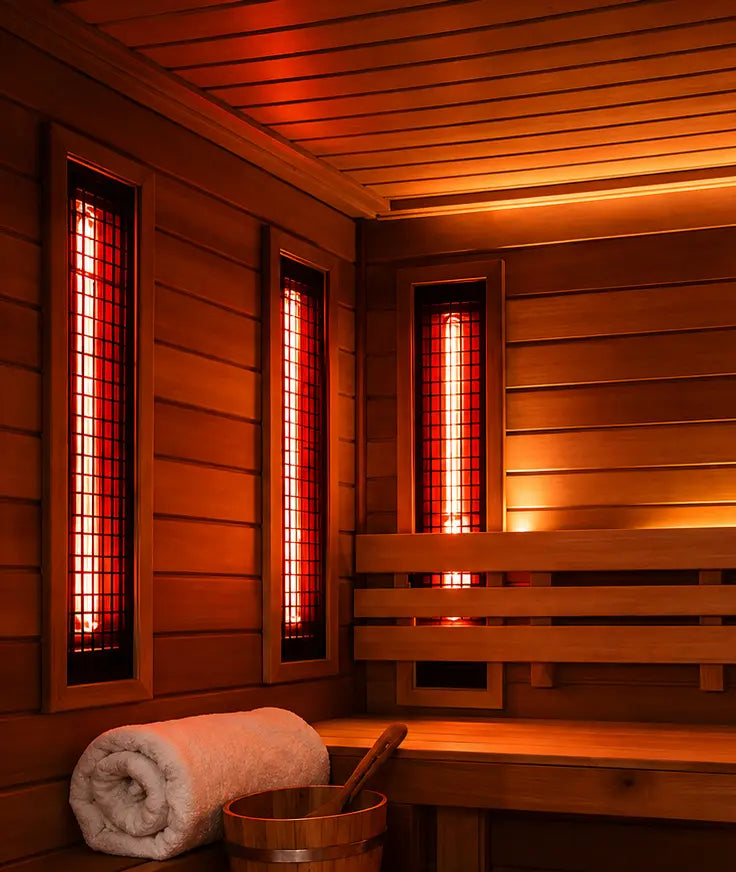
Infrared systems use panels that emit far-infrared light, which warms the body without needing the room to reach extreme temperatures. The air stays relatively cooler, but the heat still feels steady and penetrating. For first-time users, that often means a sauna session feels gentler and less overwhelming than expected.
How traditional saunas work
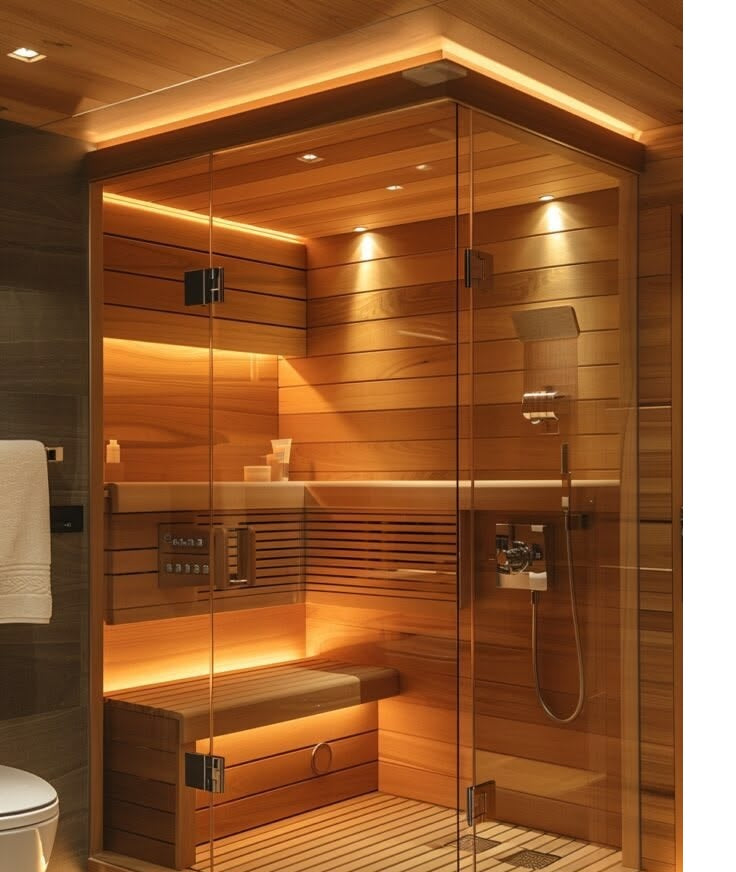
Traditional saunas work by heating the air with stones, steam, or electric elements. As the room gets hotter, the body is forced to respond to the surrounding environment. That room-based heat creates a stronger thermal load, which is why traditional steam saunas often feel more intense from the start.
Quick comparison of temperature and feel
Infrared saunas usually run at lower air temperatures, while traditional units create higher heat and a more immediate sweat response. Comfort is one of the clearest differences: infrared sessions can feel easier to tolerate, while traditional sessions often feel more demanding but also more dramatic. That contrast matters because sweat rate, heart rate, and session length all shape the overall experience.
How Traditional Saunas Work for Heat Therapy
Traditional sauna use is the classic form of heat therapy, and its structure explains why many people associate it with a stronger physical challenge. The room gets hot first, then the body adapts to that surrounding heat.
Heating the air and raising core temperature
In a traditional sauna, the heater warms the air until the room itself becomes the source of stress on the body. Heart rate rises, body temperature climbs, and sweating begins as part of the cooling response. This sequence is what gives traditional saunas work such a central place in long-standing wellness routines and cardiovascular research.
Why higher heat feels more intense
Higher heat means more immediate strain on the body’s cooling system, which is why these sessions can feel harder for beginners. Intense heat drives a stronger sweat response and can make a 15-minute session feel surprisingly long. Fitness level, hydration, and prior sauna experience all affect tolerance, so one person’s ideal session may be another person’s cutoff point.
Common traditional sauna formats
Traditional setups can be dry or steam-based, but both rely on heating the air rather than using infrared light to heat the body. That distinction helps avoid confusion, especially for shoppers comparing electric sauna heaters, wood-fired options, or more modern indoor and outdoor builds. The method may change the feel, but the core mechanism stays the same.
How Infrared Saunas Work at Lower Temperatures
Infrared sauna use appeals to people who want heat exposure without the same blast of room heat. The science is straightforward enough for most buyers: direct warming, less oppressive air, and a more approachable session.
Infrared panels and direct body heating
Modern infrared saunas use panels that emit far-infrared light toward the body. Instead of heating the air first, the system transfers heat more directly, which is why the room can stay at lower temperatures while the body still warms up. For many users, that gentler setup feels easier to settle into and easier to repeat consistently. If you are considering a low EMF infrared sauna, this is often part of the appeal.
Why lower air temperatures matter
Lower air temperatures can help heat-sensitive users stay in the sauna longer without feeling boxed in by intense heat. That often improves adherence, which matters more than people think. A sauna that gets used three times a week tends to support more overall well-being than a unit that only gets opened on rare occasions because it feels miserable.
Types of infrared sauna systems
Infrared models are often sold as far-infrared or full-spectrum infrared sauna systems. Far-infrared is the most common conversation point, while full-spectrum infrared sauna designs may include a broader range of wavelengths. The technical details are useful, but for most buyers the practical question is simpler: how warm does it feel, and will it fit daily life?
Infrared Sauna Use Benefits Compared to Traditional
Both sauna types can support health benefits, but the strength of the evidence and the type of experience differ. The right choice often comes down to whether the goal is stronger heat exposure or a more comfortable routine.
Circulation and cardiovascular benefits
Both options can raise heart rate and improve circulation, which is why sauna bathing is often discussed alongside cardiovascular benefits and improved cardiovascular health. Traditional saunas have stronger long-term evidence, especially in relation to heart health and reduced risk patterns in observational research. Infrared sauna use may still support circulation and heart rate responses, but the research base is not as deep.
Muscle recovery and pain relief
Heat therapy is commonly used after training sessions because warmth can loosen tight tissue and support muscle recovery. Traditional heat may feel more intense, while infrared can feel easier to stay in for longer periods. For users dealing with chronic pain or post-workout stiffness, that comfort difference can matter as much as the thermal effect itself.
Relaxation, stress, and overall well-being
Saunas are also used for relaxation, stress reduction, and overall well-being. Some people prefer the immersive feel of traditional steam saunas, while others want the calmer experience of lower temperatures. Comfort shapes the perceived payoff: if a session feels sustainable, the user is more likely to keep it part of a weekly routine.
| Factor | Traditional Sauna | Infrared Sauna |
|---|---|---|
| Heat style | Heats the air first | Uses infrared light to heat the body |
| Typical feel | Intense heat | Gentler, lower air temperature |
| Heart rate response | Often stronger | Still elevated, usually milder |
| Best fit | Heat-tolerant users, cardiovascular focus | Beginners, recovery, comfort-focused routines |
Does Less Heat Mean Fewer Health Benefits?
This is one of the most common questions in the traditional vs infrared sauna debate, and the honest answer is nuanced. Less heat can change the body’s stress response, but that does not automatically mean less benefit.
What lower heat may change
The phrase less heat mean fewer health benefits gets at a real concern: if the thermal load is lower, the physiological stress may also be lower. That could affect how strongly the heart rate rises and how much the body adapts over time. Still, a gentler sauna is not the same as a weak sauna; the body can still respond meaningfully to repeated use.
What infrared sauna supporters claim
Supporters often say infrared sessions feel deeper because the warmth is directed toward the body rather than trapped in the air. They also point out that comfort can help people stay consistent, which is a very practical advantage. If a lower temperature makes sauna use easier to sustain, that consistency may matter more than chasing the hottest possible setting. For those who want a more comfortable home routine, a Bluetooth infrared sauna can make the experience feel more inviting.
What research currently supports
Current evidence is promising but incomplete. Traditional sauna research is more established, especially for heart health and longevity-related outcomes, while infrared studies suggest benefits without making the same level of long-term claims. Direct head-to-head comparisons are still limited, so the safest reading is that infrared sauna use looks useful, but not definitively superior.
Health Benefits by Goal: Which Sauna Fits Your Needs?
The better sauna is rarely the one with the longest spec sheet. It is the one that matches a realistic health goal, a tolerable heat level, and a routine that can actually stick.
Heart health and cardiovascular benefits
Traditional saunas are often favored for heart health because the hotter environment creates more intense cardiovascular stress, and that is the setting most often tied to research on blood pressure, circulation, and long-term cardiovascular outcomes. For readers prioritizing heart health, this stronger evidence base matters. Infrared saunas may still offer supportive benefits, especially for users who need a gentler entry point, but the traditional format remains the more established option.
Chronic pain and muscle recovery
Infrared sauna use often appeals to people with chronic pain because the heat feels less punishing and may be easier to tolerate for longer sessions. That matters for athletes seeking muscle recovery as well as for people who want a calmer recovery tool between workouts. Traditional heat can still be effective, but some users find the higher heat too draining when pain or stiffness already makes the body feel sensitive.
Health goals for beginners and heat-sensitive users
Beginners and heat-sensitive users often do better with lower temperatures because the experience feels approachable instead of intimidating. That can improve consistency, and consistency is what turns a sauna into a habit instead of a novelty. For home users building a routine around personal health goals, infrared usually wins on ease of entry.
Brain health and long-term wellness
Interest in brain health and long-term wellness often comes from broader sauna habit research rather than from one type alone. Traditional sauna evidence is more established here, especially in populations that use sauna regularly over many years. The takeaway is careful but useful: both may support overall well-being, but traditional sessions currently have the deeper research roots.
Infrared Sauna Use for Muscle Recovery and Pain Relief
For recovery-minded buyers, the most useful question is not whether heat works in theory, but which version feels sustainable after real workouts, long workdays, or flare-ups of soreness.
How heat may ease soreness
Warmth can help reduce tension, relax stiff tissue, and make movement feel less guarded after exercise. That is why sauna sessions are often built into workout recovery routines. The effect is practical rather than dramatic: less tightness, more comfort, and a better transition back into normal movement.
Why some users prefer infrared for pain
Some people prefer infrared because lower air temperature makes the session feel less punishing, especially when chronic pain or stiffness already makes the body feel taxed. The gentler environment can also support longer sessions, which some users find more soothing. For people who want relief without the shock of intense heat, infrared is often the easier fit. A compact carbon fiber sauna can be especially appealing for this kind of daily recovery routine.
What to avoid overstating
Results vary widely, and sauna therapy is not a cure for pain conditions. It should not replace medical care for persistent symptoms or injury. The best framing is realistic: infrared may help with comfort, recovery, and temporary relief, but expectations should stay grounded in the evidence.
Traditional Saunas Work Better for Some Health Benefits
There are situations where the hotter room is not just a preference but part of the reason the sauna experience may be more compelling for health-oriented users.
Why higher heat can matter
Stronger thermal stress tends to drive a more noticeable adaptation from the body, including a higher heart rate and a bigger sweating response. That is one reason traditional sauna sessions appear so often in research on cardiovascular health. The physiological demand is part of the benefit, not just a byproduct of the experience.
Where traditional sauna evidence is strongest
The strongest evidence for traditional sauna use is still clustered around cardiovascular benefits, circulation, and longevity-related outcomes. That does not mean every session is better than infrared, but it does mean the hotter format has the deeper research history. For evidence-minded readers, that matters more than branding or trend cycles.
When a hotter sauna is not ideal
Higher heat is not comfortable for everyone, and that limitation should be taken seriously. If a person cannot tolerate the room or keeps cutting sessions short, the theoretical advantages shrink quickly. In practice, the best sauna is the one that can be used safely and repeatedly, not the one that looks strongest on paper.
Infrared vs Traditional Sauna for Home Use and Cost
For homeowners, athletes, couples, and small groups, buying a sauna is as much a space decision as a wellness one. The setup that fits the house is often the one that gets used the most.
Space and installation needs
Infrared units are often more compact and easier to place indoors, which is a big reason they appeal to apartment owners and busy households. Traditional saunas may require more room, heavier installation, and more planning around ventilation or build quality. If space is tight, that alone can tilt the decision. A Canadian cedar sauna can also bring a more premium feel to a dedicated home setup.
Startup and maintenance costs
Infrared models often cost less upfront, especially when compared with larger cedar wood construction or more customized traditional builds. Traditional saunas may require more installation work, but they can also deliver the classic experience people expect from a dedicated sauna. Long-term value should include not just purchase price, but how often the sauna will be used and how much effort it takes to maintain.
Convenience and consistency at home
Convenience affects habit formation. A unit with Wi-Fi controls, temperature control, led lighting, or bluetooth speakers may seem like a small perk, but those details can make regular use feel more natural. In home wellness, the most convenient option often becomes the most beneficial one simply because it gets used. For smaller spaces, a 1 person carbon fiber sauna can make that convenience even easier to achieve.
Safety, Risks, and Who Should Be Cautious
Sauna use is generally well tolerated, but heat is still a stressor, and that means some caution is appropriate. The goal is to keep the experience restorative, not punishing.
Common sauna side effects
Dizziness, dehydration, and overheating are the most common issues to watch for. These effects are usually temporary when the sauna is used responsibly, but they can be unpleasant enough to end a session early. Paying attention to how the body feels is more useful than trying to push through discomfort.
Who should check with a clinician first
People with heart conditions, blood pressure concerns, pregnancy, or other higher-risk medical situations should talk with a clinician before regular sauna use. This is especially important for anyone considering higher heat exposure or longer sessions. Safety advice does not need to be dramatic to be useful; it just needs to be taken seriously.
Simple ways to reduce risk
Start with short sessions, hydrate well, and step out early if symptoms appear. Heat tolerance varies from person to person, and that variation is normal. The safest routine is one that respects the body’s limits instead of testing them every time.
How Often and How Long Should You Use a Sauna?
Frequency matters more than heroic one-off sessions. A realistic schedule is usually the one that delivers the most benefit over time.
Session length for infrared sauna use
Because the air temperature is lower, infrared sauna use often allows longer sessions than traditional formats. Many beginners start modestly and build up gradually as comfort improves. That slower ramp is helpful because the body adapts, and the habit becomes easier to keep.
Session length for traditional saunas
Traditional saunas are usually better suited to shorter, more intense sessions with rest breaks if needed. Multiple rounds are common in traditional use, especially when the goal is to balance intensity with recovery. The best limit is the one that keeps the session safe and tolerable rather than draining.
Finding a sustainable routine
The most effective routine is the one that can be repeated week after week. That might mean three infrared sessions after workouts or two hotter traditional sessions on recovery days. Aligning session length and frequency with health goals makes the sauna feel like a tool, not a challenge to survive.
Infrared Sauna Use FAQs
These are the questions that usually decide the purchase, because they get at both the science and the everyday experience.
Is infrared sauna use as effective as traditional sauna use?
Not necessarily, and the evidence gap matters. Traditional sauna use has a stronger track record for long-term outcomes, especially around cardiovascular health. Infrared sauna use may still deliver meaningful comfort and recovery benefits, but direct comparisons are not definitive enough to call it equal across the board.
Can infrared saunas help with heart health?
They may support heart health by raising heart rate and improving circulation, but the evidence is less established than with traditional systems. That does not make infrared useless; it just means the research quality and volume are not the same. Readers looking for the most proven cardiovascular benefits usually land on traditional heat.
Does less heat mean fewer benefits?
Not automatically. Less heat may reduce the stress response, but it can also make sauna use more comfortable and consistent. For some people, that means better adherence and better real-world results, even if the session feels less intense.
Which sauna is best for pain relief?
For chronic pain, soreness, or stiffness, the best choice often depends on heat tolerance. Infrared can be easier to sit with, while traditional heat may feel stronger and more immersive. The right answer is usually the one that matches personal comfort, recovery goals, and how often the sauna will actually be used.
Final Verdict: Which Sauna Is Better for You?
Traditional sauna use is the stronger pick for readers who want the most established research, especially around cardiovascular health and higher heat exposure. Infrared sauna use is often the better fit for people who value comfort, lower temperatures, and a routine they can keep up with. If the goal is long-term wellness and the body tolerates heat well, traditional usually wins. If the goal is recovery, consistency, and easier home use, infrared may be the smarter choice.
Best choice for health and longevity
Traditional saunas tend to lead when the priority is evidence depth, heart health, and classic heat therapy. That makes them a strong option for health-focused buyers who want the most research-backed format.
Best choice for comfort and recovery
Infrared is often the better match for lower temperatures, less intimidation, and regular use at home. If comfort drives consistency, infrared may deliver more real-world value than a hotter sauna that rarely gets used.